


It's March. The snow may still be patchy, but your seed trays shouldn't be. There's a particular kind of madness that grips the Northeast gardener this time of year. Outside, the ground is still cold and unforgiving — stubborn patches of snow refusing to surrender to the lengthening days. And yet here you are, eyeing that stack of seed packets with a knowing look, fingers itching for soil. We understand completely.
The good news is this: right now, at this very moment, the Northeast gardener has real, productive work to do. Mid-March is prime time for starting a meaningful spread of crops indoors, and a few brave souls can even begin venturing outside with cold-hardy seeds. The key is knowing which battles you can win — and which ones require a bit more patience. A seed started at the right time is worth ten planted in haste. This is the Northeast. We know about waiting for the right moment.
Before You Sow: Get Your Setup Right
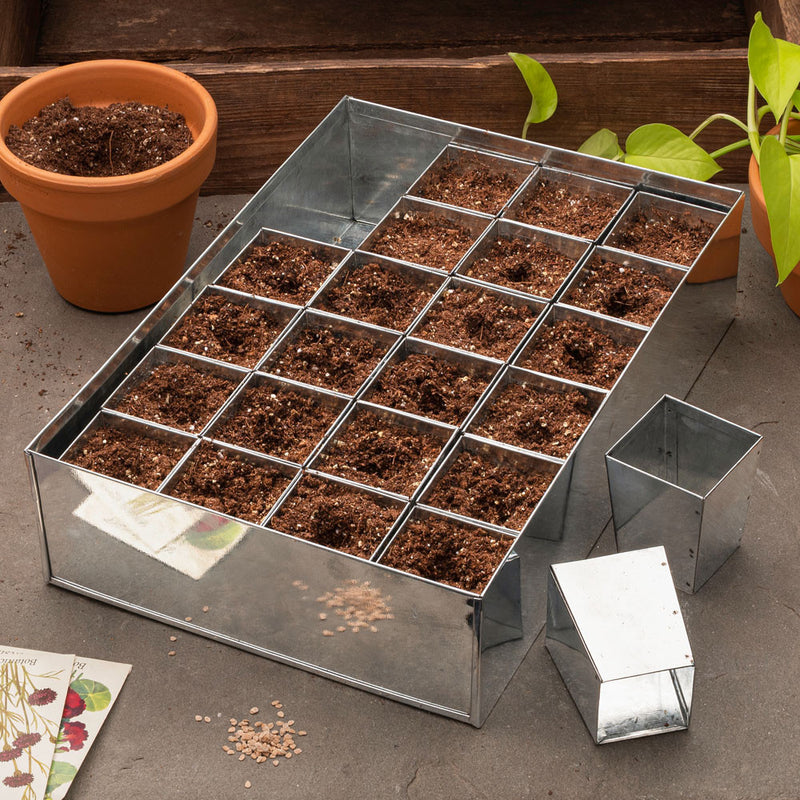
Good seed starting begins with a container that gives your seedlings room to develop without tangling roots. Our Galvanized Seed Starting Tray is made from galvanized steel and holds 24 individual cells — each tapered so plugs slide out cleanly at transplant time, roots intact and undisturbed. It's the kind of tool you reach for automatically once you've used it.
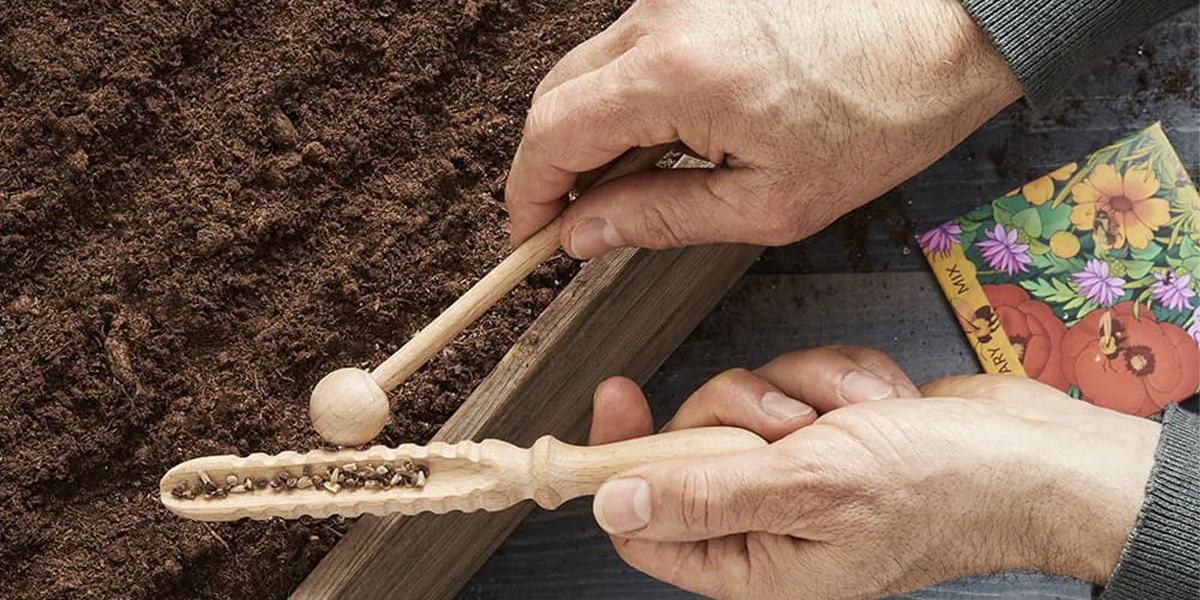
For the delicate work of placing individual seeds precisely — especially tiny pepper and eggplant seeds that refuse to cooperate with clumsy fingers — the Traditional Seed Planting Set is quietly brilliant. The traditional beechwood dibber makes uniform holes; the ridged seed sower vibrates seeds loose one at a time so you place each one exactly where you want it. A small tool with an outsized effect on germination rates.
Once your trays are sown, misting is the preferred watering method for young seedlings — gentle enough not to displace seeds or damage emerging shoots. The Copper & Brass Indoor Watering Can with its long sweeping brass spout delivers precisely that kind of controlled, elegant pour. It is also genuinely beautiful on a windowsill — the kind of tool that makes the whole enterprise feel intentional rather than makeshift.
The Frost Date Reality Check
If you're gardening in New England, New York, Pennsylvania, or New Jersey, your last frost date likely falls somewhere between late April and mid-May, depending on your specific hardiness zone. Zone 5 and 6 gardeners (think upstate New York, Vermont, New Hampshire) should count on May 15 as a conservative last-frost marker. Zone 7 gardeners further south along the coast often see April 15 or earlier.
This calendar is not a suggestion — it's the foundation of everything. Most seeds need to be started 6 to 8 weeks before transplanting outdoors, which means mid-March is precisely the right window for many of your key crops. You're not jumping the gun. You're right on time.
Tomatoes: Start Them Now — But Not Too Early
Here's the counterintuitive advice that separates experienced Northeast growers from the over-eager: don't start your tomatoes too early. Many gardeners reach for tomato seeds in February, only to end up with leggy, root-bound transplants by May that struggle in the ground.
For most of the Northeast, starting tomatoes indoors in mid-to-late March gives you a 6-to-8-week seedling that's robust, compact, and ready to thrive when nighttime temps stabilize. Choose varieties with proven Northeast credentials — Brandywine for heirloom lovers, Sun Gold for cherry tomato devotees, and Defiant or Mountain Magic if late blight has plagued you before.
Peppers and Eggplant: Now or Never
Unlike tomatoes, peppers and eggplant are genuinely unforgiving if you start them late. These heat-lovers need a solid 8 to 10 weeks of indoor growing before they're ready to face the world, and they need warmth to germinate — ideally 80 to 85°F at the soil surface. A heat mat is your best friend here; a warm spot atop your refrigerator is a serviceable alternative.
Bell peppers, hot cayennes, and thick-walled Italian frying peppers all benefit from the extra time. Eggplant varieties like Black Beauty are old reliables; Japanese slender types like Ping Tung Long give you elegance and productivity in equal measure. Start them in small cells, keep them warm and consistently moist, and be patient — they take their time.
Brassicas: The Cool-Season Champions
Broccoli, cabbage, kale, kohlrabi, and cauliflower all love the cool edge of a Northeast spring, and they're exactly what you should be starting in trays right now. Sow them indoors in early to mid-March for a transplant date in mid-April — roughly two to three weeks before your last frost — because these tough plants can handle a light frost without complaint.
De Cicco broccoli is a Northeast standard, branching heavily and producing over a long season. For cabbage, Golden Acre is a compact workhorse. And don't overlook kohlrabi, which is fast-maturing, pest-resistant, and delivers a harvest long before summer vegetables are even close.
Leeks and Onions: The Long Game Starts Early
If you want fat, well-developed leeks and onions by fall, your window for starting them indoors has technically already arrived. Leeks especially benefit from a very early indoor start — they're slow-growing and reward patience. Sow them thickly in trays, let them grow like a grassy thatch, and thin or transplant outdoors as soon as the soil can be worked, typically in April.
Onion growers, take note: if you're growing from seed rather than sets, mid-March is your last comfortable window. Long-day varieties suited to northern latitudes — Walla Walla, Patterson, or Yellow Spanish — all need that head start to form substantial bulbs.
Herbs: Where the Kitchen Garden Begins
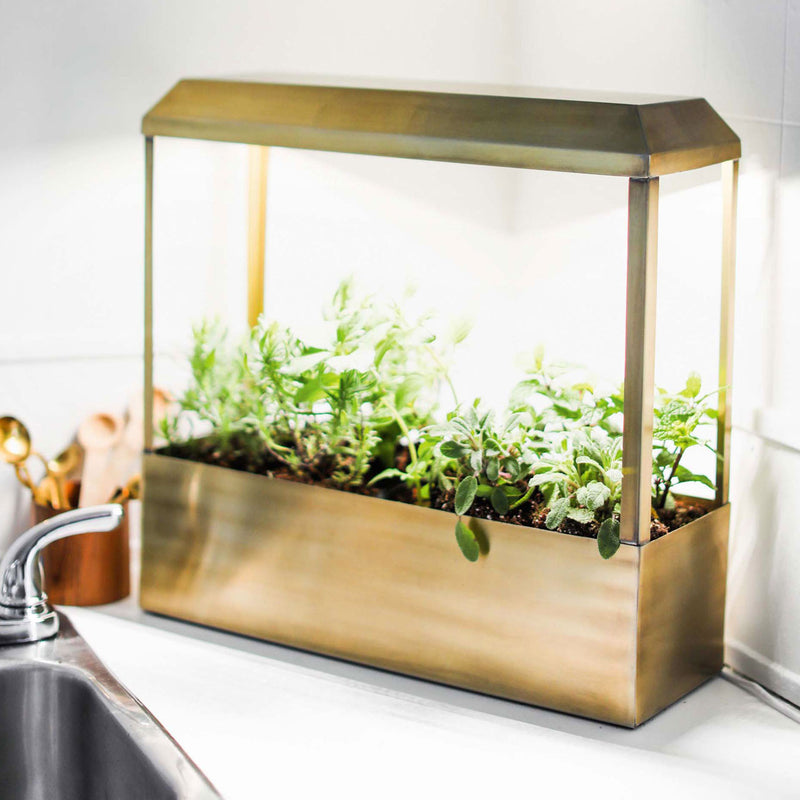
Basil is a tender crop that dies at the first whisper of frost, so starting it indoors in mid-March gives you transplants ready for the garden by late May. If you're serious about herbs year-round, the Kitchen Garden Growhouse — a brass-plated, LED-lit countertop growhouse — is a remarkably elegant solution for basil, mint, and leafy greens that want warmth and light right through the shoulder seasons. It lives happily on a kitchen counter; which is, frankly, exactly where fresh basil should be.
Parsley is notoriously slow to germinate — soaking seeds overnight in warm water gives them a running start. Chives, sage, and oregano can all be started now as well, though they're forgiving enough that starting them a week or two later won't hurt.
What to Sow Outdoors — Right Now
For the bold among you, some seeds can go directly into the ground in March, even in the Northeast. Peas want cold soil (as low as 40°F) and dislike being transplanted. Sow them outdoors now, as soon as the ground is workable, in a spot that gets good sun. They'll sit quietly, germinate on their own schedule, and reward you with the first fresh harvest of the season.
Spinach, arugula, and cold-hardy lettuce varieties like Winter Density or Black Seeded Simpson can also be direct-sown outdoors under a light frost cloth. They'll take their time, but they're entirely up to the task.
The Northeast garden rewards the patient and punishes the impatient. Start what's ready now — and let everything else wait its proper turn.
One Final Word on Tools
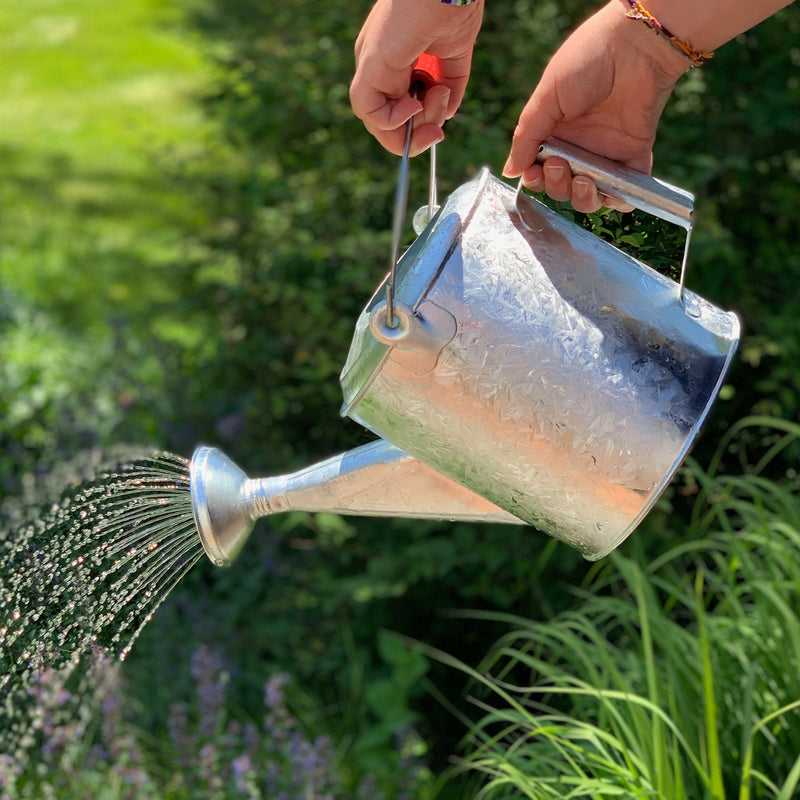
The quality of your seed-starting gear shapes your results more than most gardeners expect. For watering established seedlings and outdoor containers as the season opens, the Galvanized Watering Can — with its birch handle and rust-resistant galvanized body — is a timeless workhorse that delivers a controlled, gentle pour every time. The kind of tool your grandparents would have recognized, and for good reason.
March is not a time for hesitation. It is a time for getting your hands into soil — even if that soil is currently in a small tray under a grow light in the corner of your kitchen. The garden starts now.
🌱